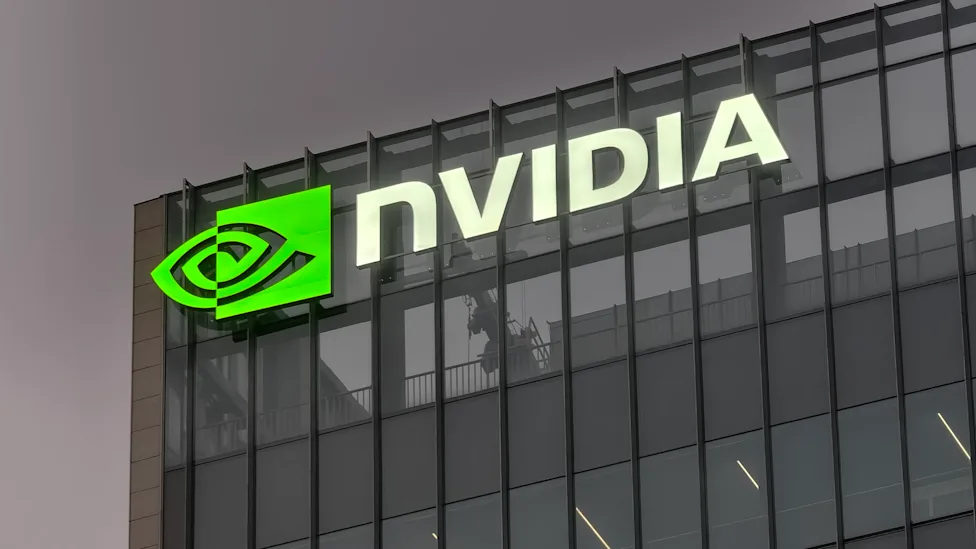
Nguồn ảnh: iStock
Nvidia cho biết mình có thể đưa ra một giải pháp tiềm năng cho một trong những lo ngại môi trường lớn nhất của làn sóng AI: tiêu thụ nước. Khi các công ty liên tục mở rộng quy mô trung tâm dữ liệu, hãng chip khẳng định thiết kế máy chủ mới nhất có thể, ở một số vùng khí hậu, giảm lượng nước làm mát tại chỗ từ hàng triệu gallon mỗi ngày xuống gần như không còn.
Điều gì đã xảy ra?
The Fast Company says a large-scale data center can consume up to 5 triệu gallon water per day to cool — equivalent to water demand of a town with tens of thousands of residents. This consumption has made AI infrastructure more controversial among communities concerned about drought, overloaded utilities, and rising costs. Fast Company reports that Nvidia’s Vera Rubin platform — the newest AI servers — are designed to operate at significantly higher temperatures than previous versions. This change allows the use of a sealed liquid cooling system instead of relying on water evaporation.
In the new system, a mixture of water and propylene glycol is introduced at about 113 °F (≈45 °C), absorbs heat from the chips and can reach up to 131 °F (≈55 °C) before exiting the system to be cooled again. Because this liquid can be chilled without evaporating, many locations may no longer need large amounts of fresh water for cooling. Nvidia says in many climates, water usage for this purpose can drop to “almost none”.
Tại sao lại quan trọng?
The rapid growth of AI impacts the power grid and water resources. Training and operating advanced models requires large amounts of electricity, which can strain local utilities and, in some cases, raise concerns that households will face higher electricity bills. In addition to high power demand, AI data centers also consume significant water. Nvidia’s cooling change seems to address part of the issue, but does not solve the broader reality: AI expansion means more servers, higher power consumption, and increased pressure on local resources.
Although many concerns remain about energy and resource consumption, Nvidia’s breakthrough opens the possibility of building data centers with lower water usage. Josh Parker, head of sustainability at Nvidia, told Fast Company: “Input temperature 45 °C — that is truly a huge breakthrough, a game changer.” Better cooling can alleviate a major issue, but it cannot fully resolve the large resource footprint of AI as data center construction continues to accelerate.
AI, Nvidia, water